Hey everyone, if you’ve ever worked with metal parts for construction, automotive, or even that custom outdoor project you’ve been brainstorming, odds are you’ve crossed paths with carbon steel. As a carbon steel supplier, I get questions all the time like “Why can’t I just bend this carbon steel bar into that tight curve I need?” or “Why does that sheet crack when I weld it?” Yeah, carbon steel is the workhorse of the metal world—cheap, strong, easy to source compared to specialty alloys—but it’s not some one-size-fits-all material. Today, I’m pulling back the curtain on the real limitations of forming carbon steel, straight from someone who deals with this stuff day in and day out, not from a textbook. Let’s cut the jargon, keep it real, and maybe save you a headache on your next project. Carbon Steel
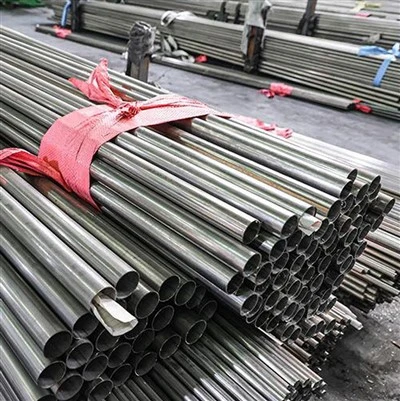
First off, let’s get one thing straight: “forming” carbon steel covers way more than just bending. It includes bending, rolling, stamping, forging, even welding and cutting to shape. Each method has its own hurdles, and most of the time, those hurdles tie back to one core thing: carbon content. That’s the big variable that makes carbon steel what it is—carbon makes it strong, but too much of it? Suddenly it’s rigid, brittle, and impossible to work with. I see this all the time. New clients sometimes come in with a CAD file they drew, not realizing the 1018 mild steel they picked (super low carbon, easy to form) can’t do a tight 90-degree bend, or that 1045 medium carbon (way stronger) is going to crack if you don’t heat it up first. Let’s break that down.
Starting with cold forming—doing all that shaping at room temp, no heat involved. It’s the go-to for most small parts, like brackets, fasteners, or thin sheet metal because it’s fast and cheap. But cold forming relies on the steel being ductile enough to stretch or bend without breaking. Here’s where carbon content hits hard. Low-carbon steels (like 1005 to 1020, that’s the mild stuff) are ductile as hell—you can bend them around a nail, stamp them into weird shapes, no problem. But push that carbon up to medium, like 1030 to 1050, or high-carbon (1060 and above), and the ductility drops fast. High-carbon steel is hard, good for springs or tools, but it’s like trying to bend a pencil—if you apply enough force, it snaps, not bends. I had a client last year who tried to cold-form a high-carbon steel bracket for a fence, no heating, and it split right down the bend line. Cost him extra time and material, because he didn’t check the carbon content first. That’s a super common mistake.
Then there’s thickness. Even if you pick the right carbon grade, thick steel is way harder to form cold. A 1-inch thick 1018 bar? You can bend it, but you need a massive press, way more force than a thin 1/8-inch sheet. If you try to bend thick steel with a small press, the bend won’t be smooth—it’ll crack, or the whole bar will warp. Warping is another big issue with cold forming thick carbon steel. When you apply that much force, the inner part of the bend gets compressed and the outer part stretches unevenly, causing the metal to twist or buckle. I always tell clients if their part is over ½ inch thick, ask about hot forming options instead—trust me, it’ll save you from wasted material.
Speaking of hot forming, that’s the other big category of forming carbon steel, where you heat the metal up to super high temps (usually above 1,700°F, depending on the grade) to make it softer and more malleable. Hot forming works great for thick parts or high-carbon steels that won’t budge cold. But it has its own limitations. First, you have to heat it evenly, otherwise you get what’s called “hot shortness”—when parts of the steel are too hot, parts are too cool, and it breaks when you try to shape it. I see this a lot with forging shops that skip proper heating schedules. If you just blast a bar with a torch, the ends get way hotter than the middle, and when you hammer it, the cool middle snaps. Also, hot forming leaves a layer of scale on the steel— that’s that flaky, crusty oxide layer that forms when metal reacts with air at high temps. You have to grind or sand that off later, which adds extra cost and time. Not a huge deal for heavy parts, but if you’re making a precision component that needs a smooth finish, that’s a real hassle.
Welding is another big part of forming carbon steel, and it’s where a lot of people run into unexpected issues. Wait, why is welding a forming step? Because joining two pieces of steel is part of shaping a larger part, right? Carbon steel is generally weldable, but again, carbon content is the villain here. Low-carbon steel is easy to weld—you can use a basic MIG welder, no fancy equipment. But medium and high-carbon steels? They’re prone to cracking when you weld them. When you heat a weld spot to melting and then let it cool fast, the high-carbon steel becomes hard and brittle, so the weld cracks before it even sets. That’s called cold cracking, and it’s a nightmare. I had a client who tried to weld two 1050 steel plates together for a construction beam, and within a week, the weld split. Fixing it meant preheating the entire area before welding, using special low-carbon filler metal, and then slow-cooling the weld. That added days to the project and extra cost—stuff nobody plans for if they don’t know carbon steel limitations.
There’s also a thing called “springback” that sucks for forming, especially in bending or stamping. Springback is when the metal springs back a little after you bend it, right? So if you set a press to make a 90-degree bend, when you release the pressure, the steel might only be 85 or 88 degrees. That’s not a big deal for low-carbon, super ductile steel, but for medium carbon, it’s way worse. The higher the carbon, the more springback you get. I always tell clients to overbend the part by a few degrees when working with medium carbon, or adjust for springback. But if you don’t account for that, your part won’t fit—simple as that. Last quarter, we sent a batch of stamped carbon steel brackets to a garage door company, and they missed the springback adjustment on medium carbon, so half the brackets didn’t line up with the tracks. We had to rush them re-stamped, which cost both of us extra. Lessons learned, I guess.
Wait, what about material defects that make forming harder? Carbon steel has a few common flaws that pop up during production—like inclusions, which are tiny bits of non-metal (like sulfur or phosphorus) trapped in the steel. Those inclusions are weak points. When you try to form the steel, especially bend it, those inclusions act like cracks, making the part split. Also, grain structure—if the steel was rolled improperly during manufacturing, the grain orientation is off, so it’s stronger in one direction than the other. If you form it against the grain, it’s way more likely to crack. I always inspect every batch of steel before we sell it, because a bad batch of carbon steel that’s full of inclusions or bad grain will cause way more problems for our clients, and that’s bad for us too—we’re here to build long-term relationships, not just make a quick sale.
Another thing: surface condition. If your carbon steel has rust, scratches, or dents on the surface, those small imperfections turn into big cracks when you form it. When you bend a plate, the outer surface stretches, so any tiny scratch becomes a stress point that splits. I once had a client bring in a piece of carbon steel sheet that had a 1-inch scratch on the edge, and tried to bend it. Sure enough, it split right along that scratch. It sounds obvious, but you’d be surprised how many people skip inspecting their raw material before forming. And yes, rust is a problem too—if you’re storing carbon steel outside, unprotected, it rusts, and that rust eats away at the surface, weakening the steel before you even start forming.
Let’s also talk about industry-specific limitations. For example, automotive parts—they need precision, tight tolerances, and consistent forming. High-carbon steel is too brittle for that, so they use low-carbon, but they have to control the forming process super closely to avoid springback. Construction parts, like I-beams or structural brackets, use medium carbon, but they need hot forming to get that heavy shape without cracking. Or if you’re making something for marine use—wait, no, carbon steel rusts super fast in saltwater, that’s a whole other limitation, but even just forming it for marine parts? You have to use a grade with a little extra manganese or something to resist cracking when bending, otherwise it’ll fail.
Wait, let’s make sure I’m not painting carbon steel as bad, because it’s not. It’s still the most widely used metal on the planet for a reason. It’s cheap, abundant, strong, and if you work within its limits, it works great. The problem is when people don’t know those limits. I get clients all the time who come in with a idea, don’t check the carbon grade, don’t plan for heat or pressure, and then end up with a bunch of scrap metal. That’s why I always ask clients a ton of questions before I even suggest a grade: what’s the part for? How big is it? What shape do you need? How are you forming it? Do you need it to hold a lot of weight? Because answering those questions lets me steer them away from the pitfalls.
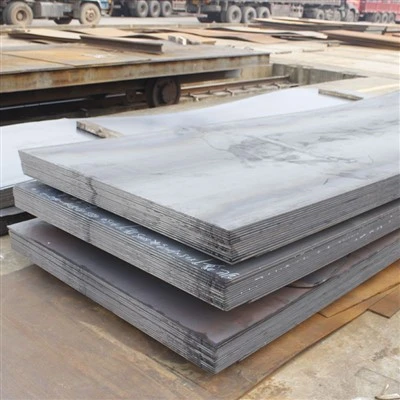
Let’s recap the key limitations, straight from a guy who sells and works with this stuff every day:
- Carbon content dictates ductility: Too much carbon, and you can’t cold-form it without cracking.
- Thickness matters: Thick carbon steel needs more force, often hot forming, and is prone to warping if not handled right.
- Welding risks: Medium and high-carbon steel are prone to cold cracking unless you preheat, use special fillers, or slow-cool.
- Springback is real: Higher carbon = more springback, so you have to adjust your forming process.
- Material defects and surface condition: Inclusions, bad grain, scratches, or rust turn into cracks during forming.
Stainless Steel Sheet/Plate If you’re working on a project with carbon steel, don’t wing it. Too many people assume it’s just “metal that’s easy to shape” and run into issues. I’ve been in this business for 12 years, and I’ve seen every mistake in the book. The good news? Most of these limitations are avoidable if you plan ahead, pick the right grade, and use the right forming method. If you’re not sure what grade you need, or what forming process will work best for your part, just reach out. We can talk through your project, answer questions, and make sure you don’t end up with scrap. We’re here to help, not just sell steel. Don’t hesitate to connect with our team to chat through your carbon steel forming needs.
References
- ASTM A36 / A36M-22, Standard Specification for Carbon Structural Steel
- ASM International, Metallurgy for Design Engineers, 7th Edition
- Kalpakjian, S., & Schmid, S.R. (2020). Manufacturing Processes for Engineering Materials, 7th Edition
- American Welding Society (AWS), D1.1/D1.1M: Structural Welding Code – Steel
Wuxi Jin Ming Jian De Industry & Trade Co., Ltd.
Wuxi Jin Ming Jian De Industry & Trade Co., Ltd. is one of the most professional carbon steel manufacturers and suppliers in China, also supports customized service. With abundant experience, we warmly welcome you to wholesale CE approved carbon steel in stock here from our factory. If you have any enquiry about quotation, please feel free to email us.
Address: 2102-2105, Yuexing Building, Guangnan Road, Liangxi District, Wuxi City, Jiangsu Province, China.
E-mail: info@wxjmjdss.com
WebSite: https://www.jmjdsteelexp.com/
