Hey everyone, Office Reception Furniture
If you’re reading this, chances are you’ve spent way too much time staring at your office reception area thinking, “This space is nice, but does it actually work as hard as it should?” As someone who’s been in the office reception furniture game for over a decade—helping startups, mid-sized firms, and even big corporate names fix their reception spaces—let me tell you: most reception areas are built to look good, not to do good. A reception desk that’s just for checking in? Chairs that look sleek but leave guests aching after 10 minutes? That’s not design—that’s wasted potential.
Today, I want to break down how to make your reception furniture functional (without ditching the style, because let’s be real—first impressions matter). No jargon, no overcomplicated hacks, just real, usable stuff I’ve seen work (and fix) for clients.
First things first: let’s talk about the desk. The reception desk is the heart of the area, right? But a lot of people pick a desk based on how it fits the wall, not what it needs to hold. I had a client a couple years back— a small marketing agency—who had this gorgeous narrow wooden desk. Problem was, their receptionist was trying to stack envelopes, a 27-inch monitor, a stapler, a landline, and a mug on it, and there was barely 6 inches left. She was always knocking stuff over, struggling to reach her computer, and looking frazzled before 9 a.m.
Here’s the functional fix: size matters, but not just for the room. If your receptionist is going to be working there 8+ hours a day, the desk needs dedicated zones. We started customizing a desk for them (wait, yeah, we do custom too) with a lower “guest-facing” surface for check-in pads and a higher, recessed “work zone” for the computer and keyboard. We added a hidden pull-out shelf under the desk for the printer—so no more bulky printer taking up counter space. We also put a lockable compartment at the bottom for packages and visitor IDs, so they didn’t have to leave their desk every time a delivery came. That desk didn’t just look good—it cut the receptionist’s check-in time by 20% in the first month. Pro tip: measure your receptionist’s height before picking a desk. If they’re 5’2”, a 30-inch tall desk might make them hunch—aim for adjustable if you can, or a 28-inch height for shorter folks, 30 for taller.
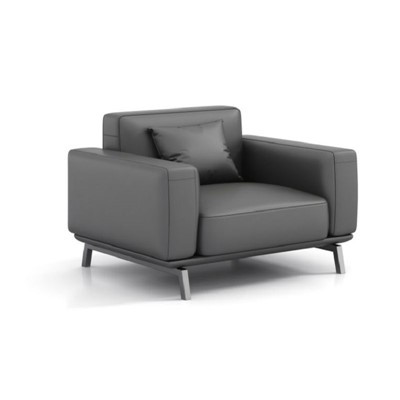
Next up: the guest seating. This is where I see the most mistakes. So many offices go for those thin, metal-frame chairs that look like they belong in a airport gate—comfortable for 5 minutes, painful after that. Or big, bulky sofa chairs that take up half the space and force guests to sit too close together. Wait, but what’s functional about guest seating? It’s not just comfort—it’s about how it works with different situations.
Let’s split this into two parts: individual guest chairs and group seating. For individual chairs: skip the hard plastic ones. Go for upholstered chairs with a padded seat back, but make sure they have a slight tilt—so if someone’s waiting 5 minutes, it’s fine, but if they’re waiting 20 (say, for a job interview), their back doesn’t ache. Also, add small, built-in side pockets? No, wait—wait, not pockets on the chair (they get gross fast), but a small fold-out tray table on the armrest. I had a client who was a law firm—guests often came in with case files or laptops. The fold-out trays meant they could set their stuff down without balancing it on their lap. Game changer. For group seating: if you have a big reception area, don’t get one huge sofa. Get two smaller sofas (or even modular pieces) that can be arranged in a U-shape or an L-shape. Why? Because if you have one guest, they can sit on the sofa and still have space, but if you have a group (like a team waiting for a meeting), the U-shape lets them talk to each other without being crammed. Also, leave 3 feet between the seating and the desk—way too many reception areas have chairs 1 foot from the desk, so there’s no room for a guest to set down their bag or say hi without crowding the receptionist.
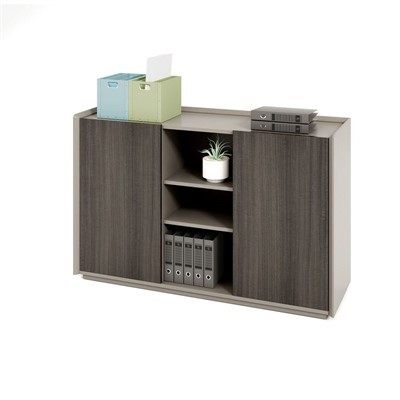
Wait, and what about storage in the reception area? A lot of people hide storage in back offices, but reception is the first stop for all kinds of stuff: visitor badges, brochures, company swag, extra pens, even umbrellas when it’s raining. If your storage is a random cabinet in the corner, that’s not functional—you have to go get it every time a new guest comes. We had a client who added a low, slim storage unit under their reception desk. It had cubbies for brochures (labeled, so easy to grab), a drawer for badges, and a vertical slot for umbrellas—so when a guest walks in with a dripping umbrella, the receptionist just points to the slot right there, no running around. Also, avoid closed storage for things guests might want to see—keep brochures or swag in open, low shelves so guests can grab them on their way out, which means less work for your receptionist.
Another big one: accessibility. This isn’t just a nice-to-have—it’s functional, full stop. I can’t tell you how many reception areas have a desk with a 10-inch step at the front, or chairs that are too low for someone in a wheelchair. If a guest in a wheelchair can’t roll up to the desk to check in, that’s not just bad design—that’s making the reception area not work for everyone. We always make sure our reception desks have a 30-inch wide clearance at the front for wheelchairs, and the desk height is adjustable (or has a lower section) so a seated wheelchair user can reach the surface. For guest chairs, at least one in every set should be height-adjustable, or have a wide base so it’s easy to maneuver. One client who had a deaf receptionist added a small, raised sign stand next to the desk that was at eye level, so guests could read instead of trying to get the receptionist’s attention. That’s functional design that works for everyone.
Wait, let’s talk about the little stuff that people overlook, because it’s the stuff that makes the space actually useable. Power outlets. How many times have you had a guest come in and say “do you have a charger for my laptop?” If your only outlet is behind the reception desk, that’s useless for someone sitting in the waiting area. We now build our guest chairs (or the side tables next to them) with built-in USB ports and regular power outlets. Not a big, ugly strip—hidden in the armrest or under the table. So a guest can plug in their laptop while they wait, no running back to the desk. Also, for people who bring kids—we had a client in childcare consulting, they added a small, low table with kid-sized chairs in the corner of their reception, and a few books and small toys. That way, if a parent comes in with their kid (who’s going to be there 30 minutes), the kid isn’t climbing on the guest chairs or getting bored, and the parent can relax while waiting. That’s functional: it reduces stress for everyone, and keeps the space nice.
And let’s not forget durability. A reception area gets way more wear and tear than other parts of the office. Guests spill coffee, drag their bags across the floor, lean on the desks. I’ve seen clients pick a beautiful white fabric chair, only to have it stained within a month. Functional means choosing furniture that can handle the chaos. We use commercial-grade upholstery—stain-resistant, easy to wipe down. For desks, solid wood or high-density laminate that doesn’t scratch. One startup client had a bunch of interns running through the reception, and they chose a mesh desk chair (wait, no, for guests) — no, they chose guest chairs with metal frames, because plastic ones would have broken in 6 months. They’ve had them for 3 years, and they still look good. Durability isn’t about being ugly—it’s about not having to replace your reception furniture every year.
Wait, let’s test this with a real example. A client I worked with last year: a fintech startup, 20 people, their old reception was a 7-foot wooden desk that took up the whole left wall, two big sofa chairs, and a random side table. The receptionist was always struggling to fit packages, guests were waiting on the hard chairs, and power outlets were only at the desk. We swapped it out: a 6-foot adjustable-height reception desk with a lower work zone, a lockable pull-out shelf for the printer, a under-desk storage unit with labeled cubbies for brochures and umbrellas. For seating: two small modular sofas (arranged in an L-shape), three individual guest chairs with padded backs and fold-out tray arms, and a small side table next to each sofa with built-in USB outlets. We also left 3 feet between all furniture pieces so there was room to move. Six months later, their receptionist said her stress level was way down—she wasn’t knocking over stuff anymore. Job interviews were going smoother because guests could set their laptops on the trays. The startup even got a compliment from a client who used the power outlet to plug in a presentation, which made their pitch go better. That’s functional design in action.
Now, I know some of you might be thinking “this costs more than just picking a random desk from a big box store.” Yeah, maybe upfront, but think about it: less time your receptionist wastes, less replacing furniture every year, better first impressions, happier guests. The reception area isn’t just a space—it’s the first and last thing people remember about your company. If it’s functional, it works for you, not against you.
At the end of the day, functional office reception furniture is about solving small, daily problems that no one talks about. It’s not about being fancy—it’s about making sure when someone walks in, they can check in easily, sit comfortably, get their stuff done, and leave feeling good. If your current reception area feels like a chore instead of a welcome, it’s time to tweak (or redo) the furniture to fit what you actually need.
If you’re ready to stop settling for reception furniture that looks good but doesn’t work, and start building a space that actually supports your team and your guests, reach out. We can chat about your space, your needs, and come up with something that fits. No pressure, no sales pitch—just real advice from someone who’s been doing this long enough to know what works.
Bookcases References:
- Office Design Institute. (2022). Functional Reception Spaces: A Guide to Designing for Workflow and Accessibility.
- Commercial Furniture Association. (2023). Durability and Comfort in Guest Seating: Industry Best Practices.
- Small Business Administration. (2021). Designing Accessible Office Spaces for All Employees and Visitors.
- Workplace Wellness Journal. (2022). Guest Comfort and Productivity: How Reception Furniture Impacts First Impressions.
Zhejiang Runcell Science and Innovation Furniture Manufacturing Co., Ltd.
We’re known as one of the most reliable office reception furniture manufacturers and suppliers in China. We warmly welcome you to buy customized office reception furniture made in China here from our factory. If you have any enquiry about quotation, please feel free to email us.
Address: Nanxun District, Huzhou City, Zhejiang Province
E-mail: Runcellwm@163.com
WebSite: https://www.cnruncell.com/
