What is the significance of cable color coding? Cable
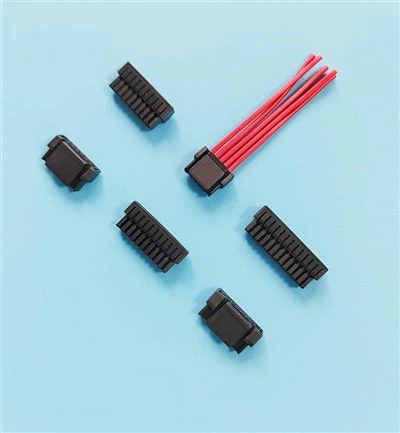
As a seasoned professional in the cable supply industry, I’ve witnessed firsthand the profound impact that cable color coding has on various aspects of electrical and communication systems. Cable color coding isn’t just about aesthetics; it’s a crucial element that enhances safety, efficiency, and organization in countless applications.
Safety First
One of the primary reasons for cable color coding is safety. In electrical systems, different colors are assigned to cables based on their function and voltage. For example, in many countries, the live or hot wire is typically colored black, red, or brown, while the neutral wire is white or blue. The green or green – yellow striped cable is reserved for the grounding wire. This color – based identification helps electricians and maintenance personnel quickly and accurately identify the purpose of each cable.
When performing maintenance or repairs on an electrical panel, a worker can determine at a glance which cables are energized and which are safe to touch. This significantly reduces the risk of electrical shock, which can be life – threatening. Without proper color coding, workers would have to rely on complex testing procedures and documentation, which not only consumes time but also increases the likelihood of human error.
In industrial settings, where high – voltage cables are common, color coding becomes even more critical. Workers deal with large amounts of electrical power, and any mistake can lead to serious accidents, including fires and explosions. By adhering to strict color – coding standards, the potential for such catastrophic events is minimized.
Efficiency in Installation and Troubleshooting
Cable color coding streamlines the installation process. Installers can easily match cables to their appropriate terminals or connections according to color. For instance, in a telecommunications network installation, different colors are used to represent different pairs of wires within a cable. This allows technicians to quickly connect the right wires to the right ports, reducing installation time and labor costs.
When it comes to troubleshooting, color coding is a lifesaver. In a large data center, where there are thousands of cables running through racks and cabinets, identifying a faulty cable can be a daunting task. However, if the cables are color – coded based on their function (e.g., power cables, network cables, or fiber – optic cables), technicians can quickly isolate the problem area. They can trace the path of a specific cable by following its color, rather than spending hours deciphering a maze of identical – looking wires.
Organization and Documentation
In a complex electrical or communication system, organization is key. Cable color coding provides a simple yet effective way to keep things in order. In a building’s electrical wiring, different colors can be used to distinguish between circuits for different areas, such as lighting circuits, power outlets, and dedicated equipment circuits. This makes it easier for building managers to understand the electrical layout and plan for future expansions or modifications.
Documentation also benefits from cable color coding. When creating a wiring diagram or maintenance manual, it is much easier to reference cables by their color than by using a long string of technical specifications. For example, instead of describing a cable as "a 14 – gauge, stranded copper wire with a polyethylene insulation," it can simply be referred to as the "red cable." This simplifies communication between engineers, technicians, and other stakeholders involved in the project.
Industry Standards and Compliance
The cable industry has established a set of standard color – coding practices to ensure compatibility and safety across different products and systems. These standards are developed by organizations such as the International Electrotechnical Commission (IEC) and the National Electrical Code (NEC) in the United States.
As a cable supplier, it is our responsibility to adhere to these standards. By providing color – coded cables that meet industry requirements, we ensure that our customers can use our products with confidence. Our customers can rest assured that the cables they purchase from us will integrate seamlessly into their existing systems and comply with all relevant safety regulations.
Customization and Special Applications
While standard color – coding schemes are widely used, there are also cases where customization is required. In some specialized industries, such as aerospace or military applications, unique color – coding systems may be developed to meet specific requirements. For example, in an aircraft’s electrical system, cables may be color – coded to indicate their location within the aircraft or their importance in flight – critical systems.
As a cable supplier, we have the expertise and capabilities to provide customized color – coded cables. Our state – of – the – art manufacturing facilities allow us to produce cables with a wide range of colors and markings. We work closely with our customers to understand their specific needs and develop color – coding solutions that are tailored to their applications.
Our Role as a Cable Supplier
As a cable supplier, we play a vital role in promoting the importance of cable color coding. We educate our customers about the benefits of using color – coded cables and ensure that they understand the relevant industry standards. Our sales team is well – trained to answer any questions regarding cable color coding and help customers select the right cables for their projects.
In addition to providing high – quality color – coded cables, we also offer technical support services. Our engineers are available to assist with installation, troubleshooting, and system design. We understand that each customer’s needs are unique, and we are committed to providing personalized solutions to meet those needs.
Why Choose Our Cables?
Our cables are manufactured using the highest quality materials and the latest production techniques. We conduct rigorous quality control tests to ensure that our cables meet or exceed industry standards. When it comes to cable color coding, we use fade – resistant and durable dyes to ensure that the colors remain vibrant and easy to distinguish throughout the lifespan of the cable.

We also offer a wide range of cable types and sizes to meet the diverse needs of our customers. Whether you are looking for electrical cables, telecommunications cables, or fiber – optic cables, we have the product for you. Our competitive pricing and fast delivery times make us the preferred choice for many businesses and organizations.
Battery Contact If you are in the market for high – quality, color – coded cables, we invite you to contact us for more information. Our team of experts is ready to assist you with your cable procurement needs. Whether you have a small – scale project or a large – scale installation, we can provide the cables and support you need to ensure a successful outcome. Let’s work together to build a safer, more efficient, and better – organized electrical and communication infrastructure.
References
- International Electrotechnical Commission (IEC) standards on electrical cable color coding
- National Electrical Code (NEC) in the United States for electrical wiring and cable color – coding regulations
- Industry whitepapers on the importance of cable color coding in telecommunications and data center applications
Dongguan Yinglian Electronics Co., Ltd.
We’re well-known as one of the most professional cable suppliers in China. With abundant experience, we warmly welcome you to buy bulk advanced cable made in China here from our factory. If you have any enquiry about cooperation, please feel free to email us.
Address:
E-mail: James@csg-china.com
WebSite: https://www.csgconn.com/
