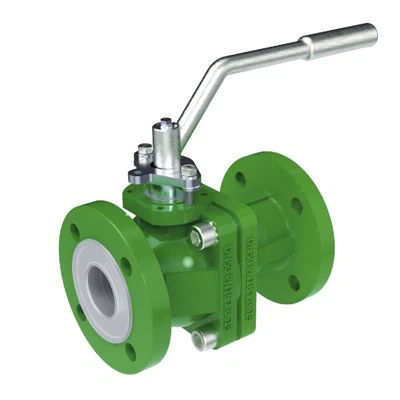
As a seasoned supplier in the gate valve industry, I’ve encountered numerous clients who come to me with one common concern: gate valve leakage. A leaking gate valve can be a significant headache, leading to inefficiencies, increased costs, and even safety risks in industrial settings. In this blog, I’ll delve into the various reasons why a gate valve might leak, drawing on my years of experience and industry knowledge. Gate Valve
1. Wear and Tear
One of the most common causes of gate valve leakage is wear and tear. Gate valves are designed to be opened and closed repeatedly, and over time, this constant movement can take a toll on the valve components. The gate, which is the movable part that controls the flow of fluid through the valve, is particularly susceptible to wear. As the gate moves up and down to open and close the valve, it rubs against the valve seat. This friction can cause the sealing surfaces of the gate and the seat to become damaged or worn, leading to leaks.
In industrial applications where gate valves are used to control the flow of abrasive fluids, such as slurries or fluids containing solid particles, wear and tear can occur at an even faster rate. The abrasive particles can scratch and erode the sealing surfaces, reducing the valve’s ability to form a tight seal. Additionally, high – velocity fluid flow can also accelerate wear, as the force of the fluid can cause physical damage to the valve components.
2. Improper Installation
Another major culprit behind gate valve leakage is improper installation. If a gate valve is not installed correctly, it may not be able to function properly, leading to leaks. For example, during installation, the valve must be properly aligned with the pipeline. Misalignment can cause uneven stress on the valve components, which can lead to warping and damage to the sealing surfaces.
In addition, the bolts used to secure the valve to the pipeline must be tightened to the correct torque. If the bolts are not tightened enough, the valve may not be held firmly in place, and there may be gaps between the valve and the pipeline, allowing fluid to leak. On the other hand, if the bolts are over – tightened, it can cause the valve body to deform, also compromising the seal.
Furthermore, the installation environment can also play a role. If the valve is installed in an area with excessive vibration, it can cause the valve components to loosen over time, leading to leaks. Similarly, extreme temperatures during installation can affect the expansion and contraction of the valve materials, which may impact the sealing ability of the valve.
3. Corrosion
Corrosion is a serious issue that can cause gate valves to leak. Gate valves are often exposed to various corrosive substances, depending on the application. In water treatment plants, for example, gate valves may be exposed to chemicals used in the treatment process, such as chlorine and sulfuric acid. These chemicals can react with the metal components of the valve, causing corrosion.
Corrosion can weaken the valve structure and damage the sealing surfaces. Pitting corrosion, in particular, can create small holes on the surface of the gate and the seat, which can lead to leaks. Additionally, corrosion can cause the metal to flake off, leaving behind rough surfaces that prevent a proper seal from being formed.
The type of material used in the valve construction also affects its susceptibility to corrosion. For instance, if a valve is made of a low – grade steel in a highly corrosive environment, it will corrode more quickly than a valve made of stainless steel or other corrosion – resistant materials.
4. Foreign Objects
Foreign objects in the valve can also cause leakage. In industrial pipelines, it’s not uncommon for debris, such as rust particles, scale, or small pieces of equipment, to enter the valve. These foreign objects can get trapped between the gate and the seat, preventing the valve from closing fully and forming a tight seal.
For example, in a pipeline that transports water from a natural source, sediment may be present in the water. If the sediment enters the gate valve, it can accumulate on the sealing surfaces, causing leaks. Similarly, in a manufacturing process where small metal chips are generated, these chips can find their way into the valve and disrupt its proper functioning.
5. Sealing Material Degradation
The sealing materials used in gate valves are crucial for preventing leaks. These materials are often made of rubber, elastomers, or other synthetic materials. However, over time, these sealing materials can degrade due to exposure to various factors.
Exposure to high temperatures can cause the sealing material to harden and lose its elasticity. As a result, it may not be able to conform to the shape of the valve components properly, leading to leaks. Chemical exposure can also have a detrimental effect on the sealing material. For example, contact with certain solvents or acids can cause the material to swell, dissolve, or become brittle.
In addition, aging can cause the sealing material to deteriorate. Even in normal operating conditions, the material will gradually lose its physical properties over time, reducing its ability to provide an effective seal.
6. Design and Manufacturing Defects
Sometimes, the root cause of gate valve leakage lies in design and manufacturing defects. Inadequate design can lead to issues such as poor flow distribution within the valve, which can cause uneven wear on the sealing surfaces. For example, if the valve is designed in a way that the fluid flow creates excessive turbulence around the gate, it can accelerate wear and tear.
Manufacturing defects can also be a problem. Poor quality control during the production process can result in valves with inaccurate dimensions or defective materials. For instance, if the gate and the seat are not machined to the correct specifications, they may not fit together properly, leading to leaks.
Preventing and Addressing Gate Valve Leakage
As a gate valve supplier, I understand the importance of preventing and addressing leakage issues. When it comes to prevention, choosing the right valve for the specific application is crucial. This involves considering factors such as the type of fluid being transported, the pressure and temperature conditions, and the presence of any corrosive or abrasive substances.
Regular maintenance is also essential. Inspecting the valve components for wear, corrosion, and the presence of foreign objects can help detect potential problems early. Replacing worn – out sealing materials and damaged components in a timely manner can prevent leaks from occurring.
In cases where leakage has already occurred, it’s important to diagnose the root cause accurately. This may involve disassembling the valve and thoroughly inspecting each component. Once the cause is identified, appropriate repairs can be made, such as replacing damaged parts or resurfacing the sealing surfaces.
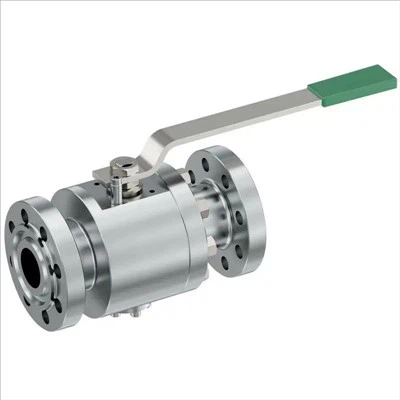
If you are facing issues with gate valve leakage or are in the market for high – quality gate valves, I encourage you to reach out to discuss your specific needs. Our team of experts is well – versed in providing solutions tailored to various industrial applications. We can offer advice on valve selection, installation, and maintenance to ensure that you get the best performance from your gate valves.
Actuator Reach out to us to start a conversation about how we can meet your gate valve requirements and address any concerns you may have. Whether you need a new valve or assistance with troubleshooting an existing one, we’re here to help.
References
- "Valve Handbook", Edited by Sven R. Liedtke
- "Fluid Mechanics and Applications in Valve Design", Author: John D. Anderson Jr.
- Industrial Valve Standards and Guidelines published by various industry associations.
Wuxi PYNOS Flow-tech Co., Ltd.
As one of the leading gate valve manufacturers and suppliers in China, we offer a wide range of products with superior quality. We warmly welcome you to buy high quality gate valve made in China here from our factory. We also accept customized orders.
Address: Sales Center: 7th Floor, No.19 Qingyuan RD, Wuxi City, Jiangsu Prov., China
E-mail: Info@pynosvalve.com
WebSite: https://www.pynosvalves.com/
