How to Optimize the Use of Resources in Lab Casework? Lab Casework
I still remember the first lab casework project I worked on back in 2012—an underfunded biotech startup crammed into a 1,200-square-foot space, where every inch of countertop, every power outlet, and every storage cabinet felt like a luxury no one could afford. The team was cobbling together old fume hoods from a community college surplus, makeshift storage racks they’d welded themselves, and a handful of new cabinets they’d ordered on a credit card. At the time, I thought resource optimization in lab casework just meant “buy less stuff.” But over the 11 years since then, as I’ve grown with this industry—working with academic labs, pharmaceutical R&D centers, clinical testing facilities, and even food safety labs—I’ve learned it’s way more nuanced than that. It’s about working smarter, not harder, to stretch every dollar, material, and piece of equipment while keeping labs safe, compliant, and functional long-term.
As a lab casework supplier, I don’t just sell cabinets or fume hoods or work surfaces. I solve problems, and one of the most common problems my clients bring to me is that their lab casework is wasting resources—money they can’t spare, space they’re outgrowing, materials that end up in landfills sooner than they should, and even energy that drives up operational costs. Let me walk you through what I’ve seen work, what doesn’t, and how you can start optimizing your lab casework resources today.
First, let’s talk about upfront planning. I can’t tell you how many times a lab will come to me halfway through a build or remodel, saying, “Wait, we need more storage here” or “That fume hood is too small for our equipment.” Most of these issues could have been avoided with a thorough, data-backed needs assessment—something we now offer as part of our core service, not an add-on. Too often, labs design casework based on what they think they need, or what they’ve seen in other labs, instead of what their specific workflows actually require. For example, a molecular biology lab needs dedicated, secure storage for plasmids and PCR reagents, plus counter space for thermal cyclers that generate a lot of heat. A wet chemistry lab needs chemical-resistant surfaces and fume hoods sized for large glassware and reaction setups. A clinical lab needs fast access to samples and easy-to-clean surfaces for high-volume testing.
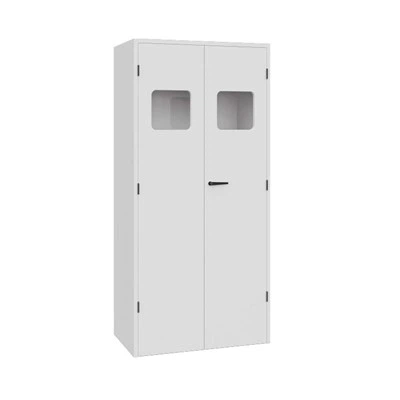
When we work with a new client, we don’t just hand them a catalog. We sit down with their lab managers, principal investigators, and lead technicians for at least a day, walking through every protocol, every piece of equipment, every peak and lull in their workflow. We measure not just the square footage of the room, but the height of their tallest centrifuges, the number of samples they process daily, how often they need to access storage, and even how many people will be working in the space at once. This kind of assessment isn’t just about avoiding costly mistakes down the line—it’s about making sure every inch of casework serves a purpose, not just fills space. Last year, we worked with a small academic virology lab that was planning to install six large fixed storage cabinets. After our assessment, we realized they only needed two, plus a modular rolling storage unit they could move out of the way when running full assays. That cut their casework spend by 22% and freed up enough space for a second biosafety cabinet—something they’d been putting off for two years. Upfront planning is the foundation of resource optimization, because a bad plan will waste resources from day one, no matter how much you try to tweak it later.
Next, choosing the right materials and durability. I’ve had clients come to me with cheap particleboard casework that started warping within three years from spills, or laminated surfaces that scratched and stained so badly they had to replace entire countertops mid-way through a 10-year lease. The upfront cost of high-quality, lab-appropriate materials is higher, but it’s an investment that reduces waste and long-term costs—two huge parts of resource optimization. Lab casework has to hold up to a lot: harsh chemicals, frequent cleaning with strong disinfectants, temperature fluctuations from equipment, heavy loads from centrifuges and freezers, and constant use. Cutting corners on materials might seem like a way to save money at first, but it leads to premature replacement, which wastes materials and labor, and even disrupts lab operations when you have to tear out and reinstall casework mid-project.
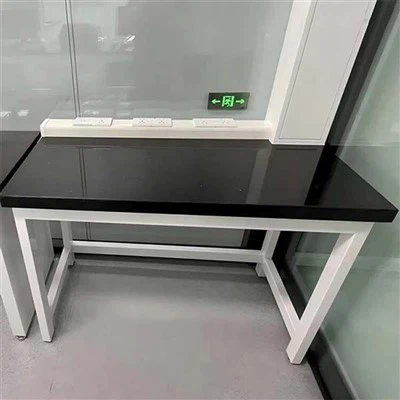
For example, we use solid phenolic resin for work surfaces in wet labs because it’s chemical-resistant, scratch-proof, and non-porous, which prevents cross-contamination—something that’s non-negotiable for labs working with samples or sensitive reagents. For dry labs, we offer high-density compact laminate that’s lighter but still durable enough for equipment and storage. When it comes to cabinet frames, we use powder-coated steel instead of wood-based products for most commercial labs because it resists moisture and chemicals, and it’s fully recyclable when the casework reaches the end of its life. Wood might be cheaper upfront, but it can’t hold up to the demands of lab spaces, and most of it isn’t recyclable, so it ends up in a landfill. We also offer eco-friendly materials, like FSC-certified wood for labs that have sustainability goals, without sacrificing durability. It’s about finding the sweet spot between performance, cost, and sustainability—optimizing resources by making every component last as long as possible.
Modular and reconfigurable casework is another game-changer. Ten years ago, most lab casework was custom-built and fixed in place—you built it once, and if your workflow changed, you had to tear it out and start over. That’s incredibly wasteful, both in terms of materials and money. Now, modular casework lets you rearrange components, add or remove cabinets, adjust counter heights, and even move fume hoods (within code, of course) without major renovations. This is especially valuable for labs that are growing, or that have variable needs—like a startup that might expand its team in a year, or a clinical lab that takes on extra testing during flu season.
A few years ago, we worked with a pharmaceutical lab that was testing a new cancer drug, and their team size grew by 40% in 18 months. Originally, they’d had custom casework built for 10 researchers, but with 14, they were cramped for space and looking at a $50,000 remodel to add more cabinets. Instead, we suggested reconfiguring their existing modular casework: we swapped out some fixed storage for rolling carts that could be moved to create extra counter space, adjusted the height of two workstations to accommodate taller equipment, and added a few additional wall-mounted shelves that didn’t take up floor space. The total cost was less than $10,000, and it let them adapt to their new workflow without wasting any of their existing casework. Modular casework doesn’t just save you from remodeling costs when things change—it also extends the life of your casework, because you’re not replacing it every time your needs shift. That’s resource optimization in action: making your existing assets work harder for you, instead of buying new ones every few years.
Energy efficiency is a part of lab casework that a lot of people overlook, but it’s a big one. Labs use way more energy than standard office spaces—up to 10 times more, according to the Department of Energy—and a lot of that energy is used by fume hoods, which are a key part of casework. When we design fume hoods for clients, we focus on balancing safety with energy savings, because wasting energy is a waste of resources. Older fume hoods run at a constant airflow, even when they’re not in use, which is a huge energy drain. Modern variable air volume (VAV) fume hoods adjust airflow based on how high the sash is, so when the hood isn’t being used, it runs at a lower airflow, cutting energy use by 50% or more. We also work with clients to size fume hoods correctly—too small, and you can’t run your assays safely; too large, and you’re wasting energy and space. For a large academic lab with 12 fume hoods, switching from old constant-airflow hoods to VAV models can save them $20,000 or more a year on energy bills, which they can put back into research, reagents, or other critical resources.
We also install LED lighting integrated into casework, instead of standard overhead lighting, because it’s more energy-efficient and reduces the load on your electrical system. Under-cabinet LED lights are perfect for work surfaces, because they eliminate shadows while you’re working, so you don’t have to use extra task lighting. It’s a small change, but over the life of the casework, it adds up to significant energy savings—another way to optimize resources without compromising safety or functionality.
Proper maintenance and lifecycle planning are often the missing pieces when labs are trying to optimize casework resources. I’ve seen casework that’s 20 years old still working perfectly, because the lab did regular, simple maintenance, and casework that’s only 5 years old that’s falling apart because no one was cleaning it or checking for damage. Maintenance doesn’t have to be complicated—things like wiping down surfaces with the right cleaners (not harsh chemicals that can erode the surface), checking that cabinet doors and drawers close properly (to avoid wasting space and letting in dust or moisture), and tightening any loose screws or hinges. We offer maintenance checklists for all our clients, plus a discounted service for annual inspections, and it’s saved so many labs from premature casework replacement.
Lifecycle planning also means thinking ahead to when you might need to replace your casework, and what to do with the old units. A few years ago, we set up a take-back program for our used casework—when a lab remodels and replaces casework from our company, we refurbish the old units (fixing any damage, resurfacing surfaces, repainting frames) and sell them to small labs or startups that can’t afford new casework. This keeps perfectly good casework out of landfills, and it’s a way to give back to the lab community. We also work with labs to design casework that’s easy to disassemble and recycle when it’s at the end of its life—no glued-together parts that can’t be separated, so the steel frames, phenolic surfaces, and plastic components can be recycled instead of thrown away.
One thing I want to make clear: optimizing resources in lab casework doesn’t mean cutting safety or compliance. That’s a line I will never cross, as a supplier. Every decision we make is based on lab safety standards, OSHA regulations, and industry best practices. For example, when we suggest modular casework, we make sure it meets all seismic and load-bearing requirements, so it’s safe even in earthquake-prone areas. When we recommend VAV fume hoods, they’re tested to meet ASHRAE standards for fume hood performance, so they keep researchers safe no matter how the airflow adjusts. Safety is non-negotiable, so resource optimization has to work hand-in-hand with compliance, not at the expense of it.
I’ve seen too many labs make the mistake of thinking resource optimization is just about saving money, but it’s also about sustainability, productivity, and long-term success. A lab that wastes resources on unnecessary casework, or has to remodel every few years because their casework doesn’t fit their needs, can’t focus on what matters most: their research. That’s why we focus on holistic, tailored solutions for every client, not one-size-fits-all products.
If your lab is dealing with wasted casework resources—whether that’s overspending on cabinets that don’t fit your space, replacing casework sooner than you should, or wasting energy on inefficient fume hoods—we can help. We don’t just sell casework; we work with you to assess your needs, design a solution that optimizes your resources, install it on time and on budget, and support it for its entire lifecycle. Whether you’re a small startup outgrowing your space, a large pharmaceutical R&D center planning a remodel, or an academic lab looking to cut operational costs, we can help you make the most of your casework resources. If you’re ready to talk through your needs and see how we can help you optimize your lab casework, we’re here to listen.
Lab Chair and Stool References
- U.S. Department of Energy. (2020). Energy Efficiency in Laboratory Facilities. Federal Energy Management Program.
- American Society of Heating, Refrigerating and Air-Conditioning Engineers (ASHRAE). (2022). Laboratory Ventilation Standard 110.
- National Institute of Environmental Health Sciences (NIEHS). (2021). Sustainable Laboratory Design Guide.
- Lab Safety Supply. (2023). Casework Material Selection: Balancing Durability, Cost, and Safety.
- International Organization for Standardization (ISO). (2020). Laboratory Furniture – Part 1: General Requirements for Safety.
HAMECC(Shanghai) Lab Solutions Co., Ltd.
We’re well-known as one of the leading lab casework manufacturers and suppliers in China, featured by quality products and good price. Please rest assured to buy customized lab casework made in China here from our factory.
Address: Building 1, No. 2222, Huancheng Road, Jiading District, Shanghai
E-mail: info@hamecc.com
WebSite: https://www.hamecc.com/
