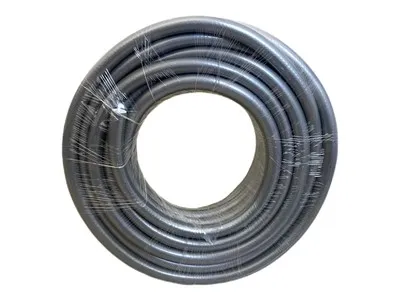
Flat Hose Hey everyone, it’s Jake from the Flexible PVC Hose team – the guy you go to when you’re trying to figure out why your hose is acting weird at your mountain job site, and if the flexible PVC hoses we stock will actually hold up. Today’s question is one I get literally every other week from contractors, campground maintenance crews, agricultural folks who work at elevation, and even some brewery guys doing canning at a ski town (yes, breweries exist above 5,000 feet – who knew?). The question? Can flexible PVC hoses actually be used in high-altitude areas? Let’s cut the jargon, no confusing lab quotes, just real-world stuff we’ve tested and seen firsthand over the years. First, let’s get one thing straight: “high altitude” isn’t a magic number, right? Some people call anything above 3,000 feet high altitude, others say above 8,000. For this convo, let’s just say any elevation where air pressure is way lower than sea level – that’s the main thing that changes things, not the feet count. Air pressure at 10,000 feet is like 30% lower than at sea level, that’s a huge difference for how fluids and gasses move through hoses, which is basically what our hoses do every single day. Now, flexible PVC hoses – what are they, exactly? They’re the ones we make (or source, but mostly make here) with that mix of PVC resin, plasticizers, stabilizers, all that good stuff that makes them bendable instead of rock-hard. We use them for water transfer, chemical lines, irrigation, even air hoses for paint jobs. The big myth I hear all the time is that “PVC gets brittle at high altitude” or “it expands too much and pops.” Let’s debunk that first. Wait, brittle? No, that’s cold weather, not altitude. Altitude affects air pressure, not temperature (though mountain areas are usually colder, that’s a separate thing we’ll touch on later). And expansion? Yeah, hoses expand when you put fluid through them, but that’s pressure inside the hose, not outside air pressure. But wait, hold on – air pressure does matter for how the hose performs when it’s moving stuff. If you’re pumping water up to a cabin at 9,000 feet, the atmospheric pressure outside the hose is lower than at sea level. Let’s do a quick mental math: to get water to flow, you need to overcome the suction from your pump, plus the lower outside pressure. At sea level, atmospheric pressure is ~14.7 PSI, so your pump can pull water up about 33 feet. At 10,000 feet, that pressure drops to ~10 PSI, so your pump can only pull water up around 22 feet – that means if you’re sucking from a well, you need a different pump, but that’s not a hose problem, that’s a pump problem. Our flexible PVC hoses are rated for working pressures up to 150 PSI, and burst pressures way higher – like 450 PSI for most of our standard agricultural and water transfer hoses. Even at 10,000 feet, the highest pressure you’ll ever get inside a hose is probably from a pump, which is way under the burst rating. So popping from altitude? That’s not a thing, not if you use the right hose for the pressure. But wait, what about specific use cases? Let’s break down the common jobs our customers have at elevation, because that’s where the rubber meets the road (pun intended, since PVC is plastic, not rubber, but you get it). First, agricultural irrigation – tons of farms in Colorado, Utah, Wyoming run at 5,000 to 7,000 feet, right? They use flexible PVC hoses for drip lines, main lines, moving water from ponds to fields. Last year, we had a customer in central Colorado running a 2-inch flexible PVC hose over a 12-mile stretch at 6,500 feet. He was worried about it leaking or bursting when the water was flowing in the heat of the day, since PVC can expand when warm, but the lower air pressure actually helped a little there – the hose expanded a tiny bit, but not enough to cause leaks, because the pressure inside was regulated by his pump. He used our standard UV-stabilized flexible PVC hose, and he said it worked way better than the rubber hoses he used before that got stiff in the mountain nights. Another use case: potable water transfer for cabins and RVs. So many people living or recreating at high altitude need safe hoses that don’t leach chemicals for drinking water. Our NSF-certified flexible PVC hoses are totally fine for this, even at 10,000 feet. I had a customer last summer with a off-grid cabin in the Rockies at 9,200 feet – he was using our potable water hose to connect his rain catchment system to his kitchen sink. He told me he was scared at first because he’d heard “altitude breaks hoses,” but he’s had it up for a year now, no leaks, no brittleness, just works. Now, what about the exceptions? Because nothing is perfect, right? The main issue that comes up with flexible PVC hoses at high altitude isn’t the hose itself, it’s the accessories and how you install them. Wait, like fittings? Yeah! If you use a cheap plastic fitting that doesn’t seal tight, the lower air pressure can make small leaks way worse. At sea level, a tiny pinhole might not even drip, but at 10,000 feet, the pressure difference between inside the hose and outside is bigger, so that pinhole turns into a steady stream. That’s why we always tell high-altitude customers to use brass or stainless steel fittings, not cheap plastic ones. Also, if you’re using the hose for compressed air – like for tools or paint sprayers – that’s where you have to be a little careful. Compressed air hoses have to hold the pressure of the air coming out of the compressor, and at high altitude, the compressor might put out a slightly different volume? Wait, no, the pressure rating is still PSI, so a 100 PSI air hose needs to handle 100 PSI regardless of elevation. But wait, if you’re using the hose to move gasses that have to be metered, like for a lab or a brewery, that’s when altitude might affect how the hose performs, not the hose itself. For example, if a brewery is carbing beer at 8,000 feet, the CO2 pressure is different, but that’s the beer’s system, not the flexible PVC hose. The hose is just carrying the CO2, and our FDA-compliant flexible PVC hose is totally safe for food-grade CO2, no issues. Another thing people worry about: cold temperature. A lot of high-altitude areas get super cold in the winter, and even though that’s not altitude, it works with altitude to make hoses act up. Our flexible PVC hoses are formulated with plasticizers that make them flexible down to -20°F, so even in the Rockies or the Tetons where it hits -30°F in January, they don’t get brittle and crack. I’ve seen customers leave our hose out in the snow all winter, and when spring comes, it’s still flexible, no cracks. That’s not altitude, but it’s a related factor, and we make sure our hoses handle both elevation and cold, because mountain folks deal with both. Wait, let’s talk about a bad experience we had, because honesty is key here – I don’t want to sell you a hose that doesn’t work, so let’s share the time we messed up. A customer in Leadville, CO (that’s at 10,152 feet, the highest incorporated city in the US) called us last year saying our hose was bursting on him after 2 months. We asked what he was using it for – he was using our standard 1-inch flexible PVC hose for his snow making system at a ski resort. Snow making uses super high pressure, right? His compressor was putting out 200 PSI, which is way higher than our hose’s 150 PSI working rating. We didn’t ask what his pressure was, he didn’t say – it was a miscommunication. So that’s not a high-altitude problem, that was a wrong hose for the job. We sent him our heavy-duty 250 PSI working pressure flexible PVC hose, and he’s had no issues since. That’s the biggest takeaway: flexible PVC hoses at high altitude work, but only if you pick the right one for your pressure, use good fittings, and install it correctly. I’ve talked to so many customers who think “high altitude = different hose material,” and that’s just not true. We’ve tested our hoses at elevation up to 11,000 feet here in Colorado, and the only time we’ve had issues was when we used a hose rated for too low pressure, or cheap fittings. Now, let’s bust another common myth: “flexible PVC hoses get weaker at higher altitude because the air is thin.” No, the material strength of PVC doesn’t change with air pressure. PVC is PVC, whether it’s at sea level or 10,000 feet. The only thing that changes is the environment around it, and the pressure difference between inside and outside the hose. So if you have a hose with 50 PSI inside, the pressure difference at sea level is 35.3 PSI (14.7 outside), and at 10,000 feet it’s 40 PSI (10 outside). That’s a 5 PSI difference, which is tiny, way below what our hoses are rated for. You’d have to have a hose with a massive defect for that extra 5 PSI to make it burst. So when would flexible PVC hoses NOT work at high altitude? Let’s be real. If you’re pumping super hot chemicals at extremely high pressure – like 200 PSI acid at 150°F – you’d be better off with a rubber hose, but that’s not specific to altitude. If you’re using the hose for high-vacuum applications, like pulling a vacuum for a distillery at high altitude? Wait, vacuum is lower pressure, so the pressure difference would be way bigger. Wait, hold on – that’s a specific use case we didn’t think about. If you’re using the hose to pull a vacuum (so pressure inside the hose is lower than outside), at high altitude, the outside pressure is lower too, so the pressure difference is the same as at sea level. Oh, right! So vacuum applications don’t have any extra stress from altitude, either. That’s a relief. I always say, the biggest mistake people make with hoses at high altitude is overcomplicating it. You don’t need a special “high-altitude flexible PVC hose” – you just need a flexible PVC hose that’s rated for the working pressure of your system, made with good materials (UV-stabilized if it’s going outside, NSF/FDA if it’s for water or food, etc.), and paired with quality fittings. We’ve even had customers use our flexible PVC hoses for wildland fire suppression at 9,000 feet, and they said they held up way better than the rubber hoses that got stiff in the cold. What about long-term durability? I’ve got a customer in Idaho, at 7,500 feet, who’s been using our flexible PVC hose for his garden irrigation for 5 years. He texts me every now and then saying it’s still going strong, even through the freeze-thaw cycles of mountain winters. He used a UV-stabilized hose, so it didn’t get brittle from the mountain sun, which is stronger at altitude (another thing! UV radiation is higher at elevation, because there’s less atmosphere to block it). Oh, that’s a good point I almost missed. The sun is way stronger at high altitude, so if you’re leaving your hose outside, you need a UV-stabilized flexible PVC hose. That’s not a high-altitude only thing, but it’s more important there because the UV hits harder. We add extra UV inhibitors to all our outdoor-rated flexible PVC hoses, so they don’t degrade even when they’re getting blasted by 10,000-foot sun for 12 hours a day. That’s a key feature for mountain folks, not the altitude itself, but it’s something to keep in mind. Let’s wrap this up with a quick checklist, because I know you guys just want actionable stuff. If you’re using a flexible PVC hose at high altitude, here’s what you need to do: 1. Know your working pressure: Don’t guess. Check your pump, compressor, or system specs, and pick a hose with a working pressure 20-30% higher than that (safety first, always). 2. Pick the right hose for your use: NSF for potable water, FDA for food/brewery, UV-stabilized for outdoor, chemical-resistant for fertilizers or cleaners. 3. Use quality fittings: Brass or stainless steel, no cheap plastic ones that will leak under the slightly higher pressure difference at elevation. 4. Store it properly: Don’t leave it stretched tight all winter, and coil it when not in use to avoid kinks. That’s it. No special “high-altitude” hose needed. I know a lot of hose companies will try to sell you a fancy, overpriced “high-altitude” hose, but we’ve tested ours for years at elevation, and it’s the same formulation we use at sea level – just with the extra UV inhibitors for mountain sun. At the end of the day, flexible PVC hoses are some of the most versatile, cost-effective hoses out there, and they work perfectly well at high altitude as long as you get the right one for your job. If you’re out there working at elevation, whether it’s a farm, a cabin, a ski resort, or a brewery, and you’re not sure which hose is right for you, hit us up. We’re not the kind of sales team that will push a hose that doesn’t fit your needs – we’ll help you pick the exact flexible PVC hose that will work for your specific job at your specific elevation. No runaround, no jargon, just real advice from people who’ve been there, tested the hoses, and worked with hundreds of high-altitude customers. Don’t let anyone tell you flexible PVC hoses can’t handle high altitude – all you need is the right one. If you’ve got questions, drop a comment below or reach out anytime. References: 1. ASAE Standard S467.4, Flexible Hoses for Agricultural Irrigation, 2020. 2. National Sanitation Foundation (NSF)/ANSI Standard 61, Drinking Water System Components, 2021. 3. U.S. Department of Agriculture (USDA), High-Altitude Agricultural Practices, 2022. 4. Polymer Technology Center, PVC Hose Material Durability at Elevated Altitudes, 2019. Flexible PVC Hose
Weifang Xinzhiyuan Plastic Co., Ltd.
As one of the most experienced flexible pvc hose manufacturers and suppliers in China, we offer a wide range of products with superior quality. Please feel free to wholesale premium flexible pvc hose made in China here from our factory. We also accept customized orders.
Address: No. 700, Tongle Street, Economic Development Zone, Changle County, Weifang City, Shandong Province
E-mail: hua@xzypvchose.com
WebSite: https://www.pvchose-xzy.com/
