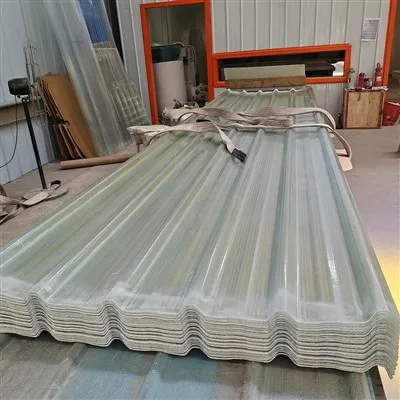
If you’ve ever walked through a manufacturing facility, a warehouse, or a food processing plant, you’ve probably focused on the hum of machinery, the sound of delivery doors opening, or the specific smells of a production line. But I’d bet you didn’t notice the ceiling panels above you—until I started working in translucent fiberglass panel supply, that’s exactly what I began paying attention to. For years, industrial spaces relied on heavy, opaque materials for roofing and wall cladding, often leading to dark, dim interiors that forced facilities to run lighting 24/7, even during daylight hours. As a supplier who’s spent the last decade matching materials to industrial needs, one question I hear constantly is: Can translucent fiberglass panels actually hold up in these tough, high-stakes environments? The short answer is yes, but it’s worth breaking down why this isn’t just a “nice-to-have” for factories, and what makes translucent fiberglass a fit for industrial settings specifically. I’ve spent years testing these panels with plant managers, maintenance supervisors, and safety officers, and I’ve watched them solve real pain points that other materials can’t. Let’s start with the most obvious reason: natural light. Most industrial facilities have high, wide ceilings and large footprints, so artificial lighting isn’t just an energy drain—it’s a safety issue. Dim spaces make it hard for workers to spot tripping hazards, read small component labels, or follow precise assembly instructions. A 2022 study by the U.S. Occupational Safety and Health Administration (OSHA) found that poor lighting contributes to nearly 15% of industrial accidents related to manual handling and equipment operation. Translucent fiberglass panels diffuse natural sunlight evenly across large areas, eliminating the harsh, glary spots that come with raw skylights and cutting down on the dark corners where mistakes happen. But here’s the kicker: it works for all kinds of industrial spaces, not just those with standard ceilings. I recently worked with a food processing plant that needed panels for a roof with constant, high-temperature moisture—steam from washing floors and processing equipment would fog up regular plastic skylights and tinted glass, making them useless within six months. Translucent fiberglass panels are naturally moisture-resistant, with a gel coat that repels water and prevents condensation buildup on the interior surface. We installed panels that year, and 18 months later, they’re still clear enough to light the entire processing floor without a single fogged spot. That’s not a fluke—it’s how the material is engineered to handle the specific stressors of industrial work. Let’s talk about durability, because this is non-negotiable for industrial settings. When you’re dealing with factories, warehouses, and processing plants, materials get hit with anything from falling tool parts to heavy debris during loading dock operations, exposure to harsh chemicals, and extreme temperature swings. Regular glass panels will shatter if a 2-pound wrench falls from a 20-foot catwalk; plastic polycarbonate panels scratch easily if you bump them with a forklift. Translucent fiberglass panels, though? They’re reinforced with fiberglass strands that give them high impact resistance—most of our panels meet ASTM D256 standards for impact strength, which means they can withstand small debris and minor impacts without cracking or breaking. We also make them with UV-stabilized resins, so they don’t turn yellow or become brittle after years of exposure to direct sunlight, which is a big win for roofs that face constant outdoor elements. For chemical plants and manufacturing facilities that use corrosive materials, we offer panels with a custom chemical-resistant gel coat that’s designed to stand up to acids, alkalis, and solvent fumes that would eat through standard metal or plastic panels. One of our clients in a metal finishing factory had been replacing their roofing panels every two years because of acid splatters corroding the metal and fiberglass. We switched them to our chemical-grade translucent fiberglass panels three years ago, and they haven’t had to replace a single panel since. That kind of longevity directly translates to cost savings—something every plant manager cares about. I always tell people that the initial cost of translucent fiberglass is slightly higher than basic corrugated metal or plastic panels, but when you factor in reduced energy bills, lower maintenance costs, fewer workplace accidents, and longer panel lifespans, it’s a no-brainer. Let’s do quick math on that food processing plant I mentioned earlier: before we installed our panels, they were spending an average of $12,000 a year on electricity for artificial lighting, plus $5,000 a year on replacing fogged or broken skylights. After switching, their lighting costs dropped by 60% (because natural light covered most of the floor during daytime shifts) and their annual panel replacement costs went to zero. That’s a $17,000 annual saving, and that’s just one facility. But it’s not just about cost—industrial settings have strict safety and regulatory standards, too, and translucent fiberglass panels can meet those requirements. For example, in spaces where fire risk is a concern (like woodworking factories, textile warehouses, or chemical storage facilities), we offer fire-retardant translucent fiberglass panels that meet Class A fire resistance ratings. That means they slow the spread of flame and don’t contribute to toxic smoke, which is a huge safety upgrade over standard fiberglass panels that might release harmful fumes when burned. Many facilities also need panels that are easy to install, because industrial downtime costs money. Our translucent fiberglass panels are lightweight—about one-quarter the weight of equivalent glass panels—and they’re designed to cut and install with the same tools you’d use for metal roofing. That cuts down on installation time, which means less time the facility is offline and losing money. I remember a client who was expanding their warehouse and needed panels installed over a weekend so they wouldn’t disrupt delivery schedules. Our installation team worked with their regular maintenance crew, and they finished the job in two days, compared to the five days their contractor quoted for glass panels. That kind of flexibility is critical for industrial operations that can’t afford to pause production. Of course, no material is perfect, and translucent fiberglass panels do have limitations that are important to note, especially for industrial use. They aren’t as strong as steel for high-load applications—so if you’re installing a roof that needs to support heavy equipment or large HVAC units, you’ll need to pair them with a sturdy metal frame. They also aren’t recommended for spaces that require 100% privacy, though that’s rarely a concern in warehouses or manufacturing plants, where the goal is visibility and functionality, not secrecy. Another common question I get is about noise—many plant managers worry that translucent fiberglass panels will amplify the loud sounds of machinery. The good news is that our panels have a sound transmission class (STC) rating of around 25, which is enough to reduce background noise without muffleing the sounds that workers need to hear, like forklift beeps or alarm alerts. For facilities with extremely high noise levels, we offer acoustic-insulated translucent fiberglass panels that pair the fiberglass with a layer of sound-dampening material, bringing the STC rating up to 35 or higher. Over the years, I’ve seen translucent fiberglass panels used in all kinds of industrial settings, from automotive assembly plants that use them to reduce eye strain on workers performing detailed tasks, to cold storage warehouses where the panels resist condensation in freezing temperatures, to recycling facilities where they stand up to chemical residues and debris. The key is matching the right type of translucent fiberglass panel to the specific needs of the space—you don’t use the same panel for a food processing plant as you would for a chemical factory, and that’s why working with a supplier that understands industrial requirements is so important. If you’re an industrial facility manager, maintenance supervisor, or operations director who’s tired of dim interiors, high energy bills, and constant panel replacements, translucent fiberglass panels are worth exploring. They aren’t just a decorative or “green” add-on—they’re a practical solution that addresses some of the biggest challenges of modern industrial work. I’ve seen them turn dark, dangerous spaces into safer, more efficient areas, and help facilities save thousands of dollars every year. If you’d like to learn more about what type of translucent fiberglass panel would work for your specific industrial space, our team can walk you through customization options, test how panels perform in your environment, and provide a detailed breakdown of cost savings and durability. We’re here to work with you, not just sell you a product, because we’ve seen firsthand how the right panels can make a real difference for industrial operations. Don’t settle for materials that don’t hold up to your needs—reach out to discuss your project today. Translucent Fiberglass Panel
Translucent Fiberglass Panel References
ASTM D256: Standard Test Methods for Determining the Izod Pendulum Impact Resistance of Plastics
OSHA. (2022). Lighting Standards for General Industry. U.S. Department of Labor.
National Fire Protection Association. (2021). Fire Resistance Ratings for Building Materials. NFPA 285.
Reed, R. (2020). Sustainable Building Materials for Industrial Facilities. Journal of Industrial Construction, 18(3), 45-52.
Handan Donghong Fiberglass & Color Steel Manufacturing Co., Ltd.
Handan Donghong Fiberglass & Color Steel Manufacturing Co., Ltd. is one of the most professional translucent fiberglass panel manufacturers and suppliers in China, featured by quality products and good price. Please rest assured to wholesale durable translucent fiberglass panel made in China here and get quotation from our factory. Customized orders are welcome.
Address: South side of the road, 2,000 meters west of the intersection of Nanhuan Road and Airport Road, Hanshan District, Handan City.
E-mail: leo@dhpcfrp.com
WebSite: https://www.dhfrpsheet.com/
