If you work in manufacturing, construction, piping systems, or any industry where pipes, ducts, or large structures move and flex under heat, pressure, or vibration, you know expansion joints are the unsung heroes keeping operations running smoothly. But even the most durable expansion joints run into trouble sometimes—whether that’s a small leak, a tear in the fabric, or a component that’s misfiring. As someone who’s spent 10+ years working with expansion joints (and runs a supply company that delivers replacements, parts, and repair kits to folks across North America), I get how stressful it is when one goes down. You don’t want to shut down an entire line waiting for a new part, but you also can’t just patch it with duct tape and call it a day. Let’s walk through how to repair an expansion joint properly, step by step, so you can get back to work without cutting corners. Expansion Joints
First off, before you even touch the joint, you gotta do your due diligence—safety first, always. I can’t tell you how many times I’ve heard a horror story of someone ignoring lockout/tagout (LOTO) because it “was just a small leak” and ending up with a burn or pressure injury. Start by shutting down the system completely, cutting all power or air supply to the piping/duct, and draining any fluid left inside. Then take a second to inspect the area around the joint, not just the joint itself. A lot of leaks or failures aren’t the joint’s fault—they’re from misaligned pipe, too much vibration from a faulty pump, or a support that got knocked loose. If you skip that part, you’ll repair the joint and 2 weeks later it’ll be broken again. Trust me, I’ve seen it happen way too many times.
Next, figure out exactly what’s wrong. Not all expansion joint issues are the same, and you can’t use the same fix for a fabric joint that you would for a metal one. Let’s break down the most common problems and what to do about them, since those are the ones our customers call us about most.
The #1 issue is small leaks—usually from a tiny tear, a loose bolt on the flange, or debris caught between the joint and the pipe. For fabric expansion joints, which are super common in exhaust systems, HVAC, and process piping, these tears are often caused by friction from adjacent pipes, extreme temperature cycling, or even debris getting sucked into the duct. For metal joints, leaks usually come from corroded flange gaskets, minor cracking in the bellows, or loose fasteners.
Then there’s larger damage: a tear in a metal bellows that’s more than ¼ inch, a fabric joint that’s frayed along the entire edge, or a joint that’s shifted out of alignment so bad it’s pulling on adjacent piping. And of course, there’s the occasional total failure, but that’s rare if you do regular inspections (pro tip: we sell affordable inspection kits to make that easy, just sayin’).
Once you know the problem, you can pick the right repair method. Let’s start with the quick, do-it-yourself fixes for small issues, then move to the ones that might need a bit more expertise.
First, small, repairable damage. For metal joints: if it’s just a loose flange bolt or a worn gasket, this is easy. First, make sure the flange faces are clean—no rust, no old gasket material stuck to them. Use a wire brush or sandpaper to scrub both flanges until they’re smooth and free of debris. Then put a new compatible gasket (make sure it’s rated for your temperature and pressure—cheap generic gaskets won’t last) between the flanges and tighten the bolts in a crisscross pattern, not just in a circle. That’s super important—if you tighten bolts in order, you’ll warp the flange and end up with a worse leak. Tighten them evenly, a little at a time, until they’re snug (don’t crank them so hard you strip the threads). For tiny bellows cracks (less than ¼ inch) in metal joints, you can use a high-temperature metal epoxy, but only if the system isn’t under high pressure. Wait until the joint is completely cool, clean the area really well with isopropyl alcohol, then apply the epoxy in thin layers, letting each one cure per the instructions. Don’t use this for high-pressure or high-heat applications—epoxy can fail fast under extreme conditions.
For fabric expansion joints, small tears (less than 1 inch) are fixable too. Grab a fabric patch kit made specifically for expansion joints (not just any fabric glue—regular glue will melt or peel). First, prep the area: trim any frayed edges around the tear so you have a clean, straight edge, then clean the fabric with a mild detergent to remove oil or dust (oil will break down the adhesive). Cut a patch that’s at least 2 inches larger than the tear on all sides—don’t be shy here, overlap is key for a strong seal. Apply the adhesive to the back of the patch and the area around the tear, press it down firmly, and use a roller or even a clean brick to make sure there are no air bubbles. Let it cure for at least 24 hours before putting the system back online. I’ve had customers try to use duct tape for this and call me a week later saying it fell off—don’t do that. The right kit makes all the difference.
Now, what if the damage is bigger? Tears over 1 inch for fabric, cracks longer than ½ inch for metal, or fraying along the entire edge? These aren’t DIY fixes for most people, but they’re also not the end of the world. For fabric joints, if the tear is too big to patch, you can do a “splice repair” with a new section of fabric. First, you’ll need to cut out the damaged part of the joint, making sure the cut is straight and far enough from the tear that there’s no remaining fraying. Then you’ll align the new fabric section with the old, use heavy-duty thread rated for your operating temperature (again, not regular cotton thread— it’ll burn or break), and sew it with a heavy-duty sewing machine. If you don’t have access to that, or you’re not comfortable doing this, give us a call—we can send a trained tech or even ship you a pre-cut replacement section that’s ready to install.
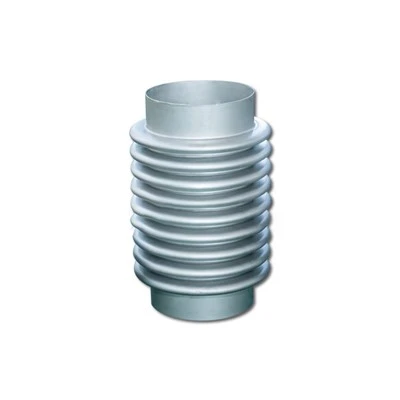
For metal joints, larger cracks, or even small dents that are causing leaks, usually call for a bellows repair. If it’s a single-wall metal joint, you can sometimes replace just the bellows instead of the entire joint, which saves you money. You’ll need to remove the old bellows by unbolting the flanges, cleaning the mounting area, and bolting the new bellows on the same way you would a gasket. Make sure the alignment is exact—metal bellows can’t handle much misalignment, so use a level or a straight edge to check before tightening bolts. If the dent is bad enough that it’s affecting the joint’s movement, or the corrosion is spreading, you’ll need a full replacement, not just a patch.
Wait, there’s one other big mistake people make when repairing expansion joints: they forget to check the system’s operating conditions. Let’s say you’ve got a joint in a furnace exhaust that’s running at 800°F, and you use a generic epoxy to fix a leak. That epoxy might work for a few days, but once the heat hits, it’ll melt. Or if the system has extreme pressure swings, a patch that’s fine for steady pressure will blow out. Always make sure your repair materials are rated for your joint’s specific use case: temperature, pressure, chemical exposure, and movement type (axial, lateral, angular). We always list those specs for every product we sell, so if you’re not sure, just ask—we’re happy to help.
Now, let’s talk about when to skip the repair entirely and just replace the joint. There’s no shame in this, and it’s usually the safest, most cost-effective long-term choice. If you notice that your joint has multiple large tears, heavy corrosion on the flanges or bellows, or it’s been repaired 2 or 3 times already, that’s a sign it’s at the end of its lifespan. Also, if you’ve had to replace a joint every 2 years or less, that’s not normal—you probably have an issue elsewhere in your piping (misalignment, excessive vibration) that’s causing premature failure, and we can help you diagnose that too. A lot of our customers call us panicking because their joint is broken, but once we check the whole system, we find it’s a misaligned pipe that’s pulling the joint apart, not the joint itself. Fix that root cause, and the replacement joint will last for 5+ years.
Speaking of long lifespan, here’s a quick pro tip: if you do regular inspections every 6 months, you’ll catch small issues before they turn into big, expensive problems. We make affordable expansion joint inspection kits that include everything you need—gaskets, cleaning supplies, a step-by-step checklist—to make inspections fast and easy. No need to bring in a third party every time; you can do it yourself in an hour.
I know when your expansion joint goes down, downtime costs you money. That’s why our repair services and parts are designed to get you back up and running as fast as possible. Whether you need a patch kit for a small tear, a pre-cut bellows for a metal joint, or a full custom replacement joint tailored to your exact specs, we’ve got you covered. We don’t do one-size-fits-all here—every system is different, so we make sure whatever you get works for your specific needs.
If you’re not sure what kind of joint you have, or you’re dealing with damage you’re not comfortable fixing on your own, don’t guess. Give our team a shout—we’ve got experts with 20+ years in the industry who can walk you through the repair, send the right parts, or even schedule an on-site repair if you need it. We don’t believe in overcomplicating things or selling you more than you need; we just want to keep your systems running smoothly so you can focus on what you do.
Now, let’s wrap this up with a quick recap to make sure you don’t miss any key steps: 1. Safety first—LOTO, drain the system, lock it out. 2. Inspect the whole system, not just the joint, to find the root cause of the issue. 3. Match your repair method and materials to your joint type and operating conditions. 4. For small issues, use the right DIY fixes, but don’t be afraid to call for help if it’s bigger. 5. Know when to replace instead of repair to avoid future failures.
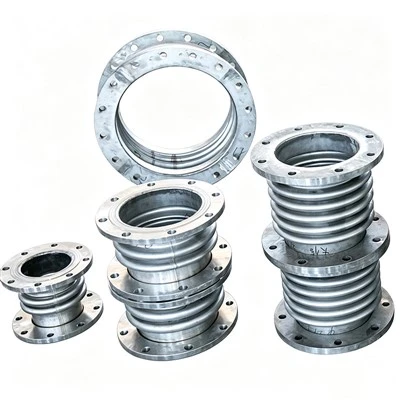
If you’ve got questions about your specific expansion joint, need parts for a repair, or want to chat about replacing a joint that’s been giving you trouble, reach out to our team to connect for procurement and support. We’re here to help you get the job done right, no stress, no guesswork.
Elastic Components References:
- Expansion Joint Manufacturers Association (EJMA). Expansion Joint Standard: Design, Manufacturing, and Installation of Metallic Expansion Joints. EJMA International, 2021.
- American Society of Mechanical Engineers (ASME). B31.3 Process Piping Code, Section 6: Flexibility Considerations for Piping Systems. ASME, 2022.
- National Fire Protection Association (NFPA). NFPA 70E: Standard for Electrical Safety in the Workplace, Article 120: Lockout/Tagout Procedures. NFPA, 2023.
- Rubber Manufacturers Association (RMA). Standard Practice for Installation and Maintenance of Fabric Expansion Joints. RMA, 2020.
Yixing Blog Pipeline Equipment Co., Ltd.
As one of the most professional expansion joints manufacturers and suppliers in China, we’re featured by quality products and good service. With abundant experience, we warmly welcome you to wholesale bulk expansion joints in stock here and get quotation from our factory. Customized orders are welcome.
Address: Zhizao Park, No.50 Chunjiang Road, Industrial Cluster Zone, Heqiao Town, Yixing City, Wuxi City, Jiangsu Province
E-mail: 1351116816@qq.com
WebSite: https://www.blogbellows.com/
