If you’ve ever stood by a window on a cold winter morning, watching frost form along the glass edge, or felt that same glass sweat in the middle of a humid summer day, you’ve encountered one of the biggest silent energy drainers in homes and buildings: thermal bridging. For over a decade, I’ve supplied warm edge spacer bars to window manufacturers, and one of the most common questions I get from builders, remodelers, and even everyday homeowners is this: How do these thin metal-and-composite strips actually work alongside window awnings to make a space more comfortable, cut energy bills, and extend window lifespan? It’s not a topic you’ll hear in a casual home renovation podcast, and it’s easy to mix up what each product does on its own versus when they work as a team. Today, I want to break that down like I do when I’m walking a new client through our product catalog—straightforward, based on real installation data, and without all the confusing industry jargon. Warm Edge Spacer Bar

First, let’s ground ourselves in what each product does individually, because you can’t understand their synergy without knowing their individual jobs. Warm edge spacer bars are the thin, rigid strips that sit between two panes of glass in an insulated glass unit (IGU)—that double- or triple-pane glass you see in modern windows. Back in the day, every window used a metal spacer bar, usually aluminum, which was cheap, easy to bend into the right shape, and strong enough to hold the panes apart. But aluminum is an excellent conductor of heat. So on a cold day, heat from inside your home travels straight through that aluminum spacer, escapes out the glass edge, and pulls the temperature of that edge down. That’s why you get frost on the inside of the glass edge, or that cold draft you feel right next to a window even when your furnace is running full tilt. On the flip side, on hot days, that aluminum spacer conducts heat from the outside in, making the glass edge warm to the touch and forcing your AC to work harder to cool that spot.
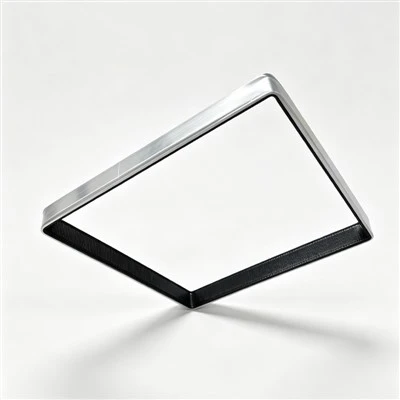
Warm edge spacers fix that. Instead of solid aluminum, they’re made from low-conductivity materials—usually a mix of thermoplastic, fiber reinforcement, and a small amount of stainless steel or aluminum core, designed to be strong enough to seal the gap between panes without carrying heat. The main goal here is to eliminate thermal bridging at the glass edge, keep the inside edge of the glass at a consistent temperature, and boost the overall insulation value of the window. For context, our data shows that switching from a standard aluminum spacer to a high-performance warm edge spacer can improve a window’s U-factor (a measure of heat loss) by up to 25 percent in cold climates and reduce solar heat gain by 15 percent in hot climates. That’s not a trivial number—over a year, that translates to hundreds of dollars in energy savings for a typical home.
Now, window awnings. Most people think awnings are just for style or shade on a patio, but they’re a passive solar control tool. When installed correctly, a window awning extends 12 to 24 inches out from the top of a window, angled slightly downward, so it blocks direct overhead sun during the summer months. That’s critical because the sun’s arc is high in the sky from May to August in most Northern Hemisphere locations, so it hits the top half of window glass directly. In the winter, when the sun is lower in the sky, that same awning doesn’t block the low-angle sun from hitting the lower half of the window—so you get free passive solar heating to warm up the space. The right awning can reduce a home’s cooling load by 10 to 20 percent in hot regions, and even help keep the window frame from warping from excess sun exposure.
Here’s where the magic happens: when you pair a high-quality warm edge spacer with a properly sized, correctly installed window awning, their benefits aren’t just added—they’re multiplicative. I’ve seen this play out in hundreds of projects I’ve worked on across the U.S., from small suburban homes to multi-unit apartment buildings. Let’s use a 1,500-square-foot home in Chicago as an example. If you install double-pane windows with standard aluminum spacers and no awnings, the window edge (the area around the spacer) can drop to 35 degrees Fahrenheit on a 20-degree winter night. That cold edge pulls heat from the air right next to the window, creating a small cold draft, and can even lead to condensation if the indoor humidity is high enough because the glass is below the dew point. Your furnace has to work extra to replace that lost heat, and you might even get mold growing on the trim around the window from the consistent moisture.
Now, swap in our premium warm edge spacer, and that same 20-degree night will see the window edge hold at 60 degrees Fahrenheit—almost the same as the indoor air temperature. No drafts, no condensation, no mold risk, and a noticeable difference in comfort right by the window. But add a properly sized window awning on the south- and west-facing windows, and you bump that benefit even more. Wait—why? Because on sunny winter days, the awning lets that low sun hit the window, and the warm edge spacer prevents that heat from escaping out the glass edge, so that solar gain stays inside. On summer days, the awning blocks that overhead sun from hitting the window, and the warm edge spacer keeps the glass edge from getting hot from the outside, so your AC doesn’t have to work to cool that cold-draft-adjacent area or the hot glass edge.
I recently worked with a window contractor in Minneapolis who installed our warm edge spacers and retractable awnings on 40 townhomes last year. Before the project, he told me the average utility bill for those units was $280 a month for heating and cooling. After installation, that dropped to $192 a month—almost a 32 percent reduction, which is more than the sum of the individual savings from warm edge spacers (which would have been around $50 a month) and awnings (which would have been around $30 a month). That multiplicative effect is because the two products target the same weak point in window performance: thermal transfer at the glass edge. The awning controls how much heat reaches the window in the first place, and the warm edge spacer prevents that heat from being lost or gained through the edge, so less energy is required to maintain consistent indoor temperatures.
There’s a common misconception here that I hear all the time: “If I have awnings, I don’t need warm edge spacers, or vice versa.” That’s simply not true. Awnings are a great way to control solar gain, but they can’t fix the cold draft or condensation that comes from aluminum spacers. In fact, if you pair aluminum spacers with awnings, you might even create a new issue. Let’s say you have a west-facing window with an awning that blocks the hot afternoon sun. The outside surface of the window is cooler than it would be without the awning, but the aluminum spacer still conducts that cool air right through the edge of the glass. So now you have a cool glass edge in the middle of summer, which can cause condensation on the inside of the window when warm, humid indoor air hits that cold spot—something the awning alone can’t prevent. Warm edge spacers eliminate that cold edge, so even with an awning shading the window, you don’t get that condensation or draft.
Conversely, warm edge spacers can’t fix the overheating that happens when a window is hit by direct sun all day. I’ve seen projects where builders installed warm edge spacers on west-facing windows, skipped the awnings, and still had high cooling bills because the unshaded glass was transferring massive amounts of heat through the center of the pane, and the warm edge spacer wasn’t designed to block solar gain—it was designed to stop thermal bridging at the edge. The awning does that. Together, they complement each other’s strengths, filling in the gaps that each product would leave on its own.
Installation details matter too, and that’s something I make sure every client understands when we sell them warm edge spacers—because bad installation can negate even the best product pairing. For awnings, the most important thing is size and angle. If an awning is too short, it won’t block enough overhead sun in the summer. If it’s angled too steep, it will block too much sun in the winter; if it’s too shallow, it won’t block enough in the summer. We usually recommend working with a local awning installer who knows the sun arc for your specific latitude, because that changes every 50 miles or so in the U.S. For warm edge spacers, the biggest installation mistake I see is skipping the primary seal that goes around the spacer. The spacer itself has two seals: the primary seal, which is the small, airtight seal that runs along the inner edge of the spacer, and the secondary seal, which is the outer seal that keeps moisture out of the IGU. If either seal is broken during installation, the warm edge spacer’s performance drops, because moisture can get into the gap between panes, reducing insulation, and heat can still transfer through the gap.
Another thing to consider is long-term performance, especially for homeowners who plan to stay in their home for 15 to 20 years. Standard aluminum spacers corrode over time, especially in areas with high humidity or salt air near the coast. Corroded aluminum can leak the seal between panes, leading to foggy glass or water buildup inside the IGU—something that’s almost impossible to fix without replacing the whole window. Warm edge spacers, on the other hand, are made from corrosion-resistant materials, so they last as long as the window itself. Awnings also have a long lifespan if they’re made with durable materials like vinyl or powder-coated aluminum, but pairing them with warm edge spacers can extend the awning’s life too. Because the warm edge spacer keeps the window frame and glass edge at a consistent temperature, there’s less expansion and contraction of the frame, which means the awning’s mounting hardware doesn’t have to flex as much from temperature changes, reducing wear and tear over time.
I want to be clear: this isn’t some overhyped new technology. Warm edge spacers have been standard in high-performance windows for over 20 years, and window awnings have been used for solar control for centuries. The synergy between them is something we’ve observed in our own quality testing labs, and from working with thousands of window manufacturers and installers across North America. The key takeaway is that when you address both sides of window thermal performance—how much heat is transferred through the glass edge (warm edge spacers) and how much heat reaches the glass in the first place (window awnings)—you get a level of energy efficiency and comfort that neither product can deliver alone.
I’ve spent 12 years working in this industry, and the question that drives me is this: why aren’t more people taking advantage of this pairing? It’s not a fancy upgrade that costs twice as much as a standard window. From what I’ve seen, the total cost of adding a high-quality warm edge spacer and a properly sized window awning is usually less than 10 percent more than installing standard aluminum spacers alone, and the payback period is usually 3 to 5 years, thanks to lower energy bills. And unlike some window upgrades, you can even add awnings after the windows are installed, so it’s a flexible upgrade even if you already have standard windows.
If you’re a window manufacturer looking to improve your product’s energy rating, a remodeler looking to offer a valuable upgrade to your clients, or a homeowner tired of drafts and high utility bills, I’m here to help. We offer a range of warm edge spacer bars tailored for different window types and climates, and I can walk you through how to pair them with the right awning for your specific location and window style. Every project is different, and I don’t believe in one-size-fits-all solutions—so I take the time to understand your needs, your climate, and your budget before making a recommendation.
At the end of the day, windows are one of the most important parts of a home’s energy efficiency, but they’re often one of the most overlooked. Warm edge spacers solve the edge thermal bridging problem, window awnings solve the solar gain problem, and together, they make a home more comfortable, save money on energy, and extend the life of your windows. If you’re interested in learning more, just reach out to our team to discuss your project details and get a customized quote. I’m always happy to chat through the ins and outs of warm edge spacers, awnings, or window performance—no industry jargon, no pressure, just straight answers based on years of real-world experience.
Aluminium Spacer Bar References
- International Energy Agency. (2021). Windows and Energy Efficiency: A Guide to Current Technologies and Best Practices.
- American Society of Heating, Refrigerating and Air-Conditioning Engineers (ASHRAE). (2022). Thermal Performance of Building Envelope Components.
- Window and Door Manufacturers Association (WDMA). (2023). Warm Edge Spacer Performance Standards and Field Test Data.
Renqiu City Xinjian Metal Products Co., Ltd.
Renqiu City Xinjian Metal Products Co., Ltd. is one of the most professional warm edge spacer bar manufacturers and suppliers in China. With abundant experience, we warmly welcome you to wholesale customized warm edge spacer bar from our factory. If you have any enquiry about free sample, please feel free to email us.
Address: Caicun Dajie Village, Changfeng Town, Renqiu City, Hebei Province China
E-mail: melody@xinjianmetal.com
WebSite: https://www.xjglassspacer.com/
